
What if you couldn’t tell your family what medical care you want? Would they know what to do?
Creating a healthcare directive is very important. It lets you control your medical care, even if you can’t speak for yourself.
This document is like a map for doctors and your family. It tells them what medical care you prefer. This way, your wishes are followed, even in tough times.
By making a healthcare directive, you keep your freedom. You also make your family feel better. This way, you can make big decisions ahead of time.
Key Takeaways
- Healthcare directives protect your medical autonomy
- Document provides clear instructions for medical treatment
- Reduces possible family fights during medical crises
- Makes sure your personal healthcare choices are followed
- Allows you to control your future medical choices
Understanding the Basics of Healthcare Directives
Healthcare directives are important legal papers. They let people decide their medical care. These tools help share medical wishes when it’s hard to speak up.
An Advance Healthcare Directive helps make medical wishes clear. It lets patients choose treatments and pick a trusted person to help make decisions.
Defining Healthcare Directives
A Living Will is a key part of healthcare directives. It says what medical care someone wants or doesn’t want when they can’t speak for themselves. These papers protect patients’ rights and guide doctors and family.
Types of Healthcare Directives
- Living Will: Specifies end-of-life medical treatment preferences
- Healthcare Proxy: Designates a decision-maker for medical choices
- Organ Donation Preferences
- Mental Health Treatment Instructions
Importance of Having One
Having an Advance Healthcare Directive has many benefits:
| Benefit | Description |
|---|---|
| Personal Autonomy | Ensures your medical wishes are respected |
| Family Protection | Reduces conflicts during medical emergencies |
| Medical Clarity | Provides clear instructions for healthcare providers |
By planning ahead, people can control their medical care. This brings peace of mind to them and their loved ones.
Legal Considerations for Healthcare Directives
Understanding the legal side of healthcare directives is key. Each state has its own rules for these documents. It’s important to know what your state requires.
Healthcare Planning includes important legal parts. These parts make sure your medical wishes are followed. You need to know the laws of your state well.
State-Specific Legal Requirements
Legal rules for healthcare directives differ by state. Important things to think about include:
- Minimum age to make a directive
- How many witnesses you need
- How to sign and document it
- What the document should look like
Validating Your Healthcare Directive
To make your Healthcare Planning document legal, follow certain steps. These steps are:
- Fill out all needed parts correctly
- Get the right witness signatures
- Make sure it meets your state’s legal rules
The Role of Notarization
Notarization makes your healthcare directive more legally strong. It’s not always needed, but it helps protect your wishes more.
Talking to a local lawyer can help. They can guide you through your state’s legal rules. This ensures your directive is complete and legal.
Benefits of Creating a Healthcare Directive
Healthcare directives protect people in tough medical situations. They let patients share their Medical Wishes. This helps with End Of Life Planning.
Knowing the good of a healthcare directive changes how we deal with medical choices. It helps us manage our health better.
Ensuring Your Wishes Are Respected
A healthcare directive makes sure your medical wishes are followed, even if you can’t speak. It’s a legal guide for doctors.
- Prevents unwanted medical interventions
- Protects personal autonomy
- Provides clear instructions during critical moments
Reducing Family Emotional Burden
Having a healthcare directive helps families not feel so stressed during tough times. It makes it clear what you want, avoiding arguments.
| Without Directive | With Directive |
|---|---|
| Potential family conflicts | Clear decision-making guidelines |
| Emotional uncertainty | Reduced emotional stress |
| Difficult medical choices | Predetermined medical preferences |
Improving Healthcare Decision-Making
A good healthcare directive helps doctors know what you want. This leads to care that’s more personal and kind. It supports informed and compassionate care.
- Communicate treatment preferences
- Define end-of-life care expectations
- Establish medical proxy authority
Common Misconceptions About Healthcare Directives
Creating a Healthcare Directive can seem scary. Many people don’t do it because they don’t understand it well. This stops them from making important choices about their health.
Many people think wrong things about Advance Healthcare Directives. This stops them from making this important document. Let’s look at and clear up some common wrong ideas.
Myths vs. Facts About Healthcare Directives
- Myth: Healthcare directives are only for elderly or terminally ill patients
Fact: Anyone over 18 can make a healthcare directive. Medical emergencies can happen to anyone, so it’s good for everyone.
- Myth: A healthcare directive means refusing all medical treatment
Fact: These documents let you say what care you want. They make sure your wishes are followed in medical decisions.
- Myth: Creating a healthcare directive is complicated and expensive
Fact: You can find free templates online. Making one is easy and doesn’t cost much.
Who Should Create a Healthcare Directive?
Almost every adult can benefit from a healthcare directive. Here are some groups that should think about it:
- Adults 18 and older
- People with long-term health issues
- Those with special health wishes
- Individuals with complex family situations
Knowing the truth can help you take charge of your health. A good healthcare directive is key.
Steps to Create a Healthcare Directive
Creating a healthcare directive is a key part of Healthcare Planning. It lets people decide their medical care. This step needs careful thought and planning.
To make a good healthcare directive, follow some important steps. These steps help you share your medical wishes clearly.
Assessing Personal Healthcare Preferences
Knowing what you want in healthcare is the first step. Think about these things:
- Your views on medical treatment
- What matters to you in life
- Medical situations you want to plan for
- How you feel about different treatments
Professional Medical Consultation
Talking to doctors is very helpful. They can explain medical terms and what treatments might mean.
| Consultation Focus | Key Discussion Points |
|---|---|
| Medical Conditions | Understanding possible health issues |
| Treatment Options | Looking at medical choices |
| Long-Term Care | Talking about future care needs |
Selecting the Right Template
Pick a healthcare directive template that fits your state’s laws. Many places offer forms that make sure your wishes are followed.
- Look for forms made for your state
- Check if the template has everything you need
- Make sure it covers all important points
- Get a lawyer to look it over
Key Components of a Healthcare Directive
Making a Living Will means adding important parts to protect your Medical Wishes. Knowing these parts helps make sure your health choices are clear and legal.
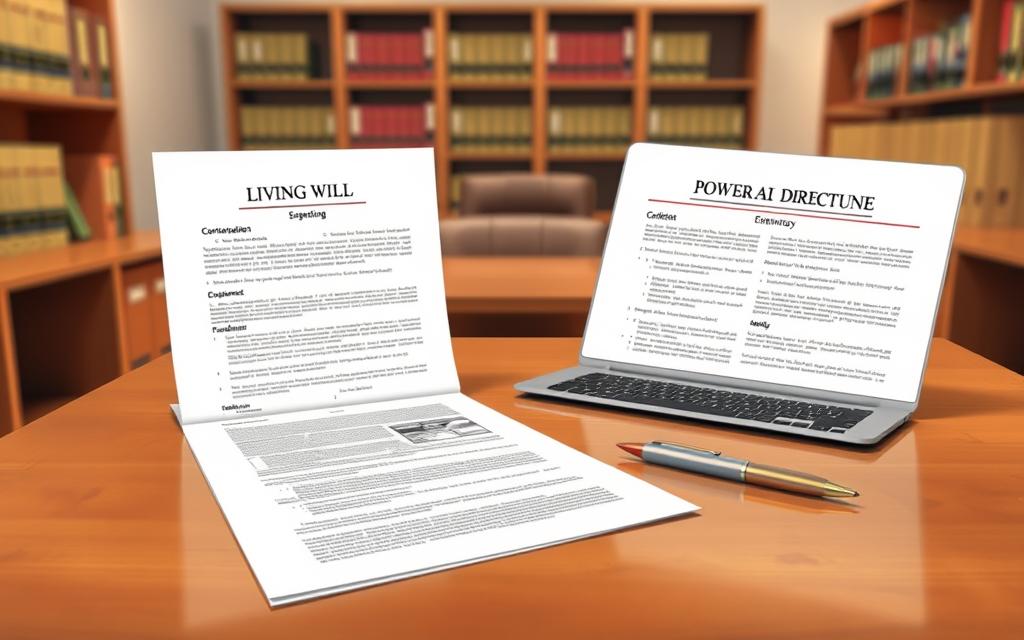
A good healthcare directive is more than just a paper. It’s a strong way to share your medical choices when you can’t speak for yourself.
Decision-Making Authority
Picking a healthcare agent is key in your Living Will. This person will make big medical choices for you when you can’t talk.
- Choose someone you trust and who knows your values
- Talk about your medical wishes with your agent
- Make sure your agent will fight for your choices
End-of-Life Care Preferences
Your Medical Wishes should clearly say what you want at the end of life. This includes choices about treatments, pain relief, and comfort care.
| Care Preference | Description |
|---|---|
| Life Support | Specify conditions for mechanical ventilation or feeding tubes |
| Pain Management | Outline preferred approaches to pain relief |
| Hospice Care | Indicate preferences for comfort-focused treatment |
Provision for Organ Donation
Make sure to include organ donation wishes in your directive. Specify if you want to donate organs and when.
- Indicate full or partial organ donation preferences
- Specify any religious or personal restrictions
- Ensure your wishes are legally documented
Choosing a Healthcare Proxy
Choosing the right healthcare proxy is very important. They speak for you when you can’t. They make big decisions about your health care.
Essential Qualities of an Effective Proxy
Look for these important traits in a healthcare proxy:
- Emotional Stability: They stay calm when it matters
- Strong Communication Skills: They can talk your wishes to doctors
- Understanding of Your Values: They know what you believe and want
- Willingness to Advocate: They will stand up for your health choices
Navigating the Conversation
Talking about your health care wishes needs to be open and clear. Pick a time when you can talk without interruptions. Explain your health care choices, possible situations, and what you value most in health care.
Choose someone you really trust—like a family member, close friend, or partner. They should respect your wishes exactly as you want.
Practical Considerations
Think about naming a backup proxy in case your first choice can’t do it. Give your chosen proxy a copy of your Advance Healthcare Directive. Make sure they understand it well.
Revising Your Healthcare Directive
Healthcare Planning needs regular updates to keep your medical wishes up-to-date. A healthcare directive is not just a one-time thing. It should change as your life does.
Creating a Healthcare Directive means knowing when to make big changes. This helps keep your medical choices your own.
Critical Times to Update Your Directive
- After significant medical diagnoses
- Following major life changes such as marriage or divorce
- When experiencing substantial shifts in personal values
- After turning 50 or entering a new decade of life
- When family health history changes
Effective Communication of Changes
Updating your healthcare directive needs clear talk with others. Important steps include:
- Notify your designated healthcare proxy
- Provide updated copies to your primary care physician
- Distribute revised documents to immediate family members
- Store digital and physical copies in accessible locations
Experts say check your healthcare directive every three to five years. This keeps it current and in line with your wishes.
Ensuring Continuous Relevance
Regularly reviewing your healthcare directive keeps your medical wishes current. Being proactive in Healthcare Planning lets you control your future care. It also helps avoid family disagreements.
Impact of Healthcare Directives on Family Dynamics
Planning for the end of life can be tough. It affects family ties a lot. Healthcare directives help by making things clear and avoiding fights.
Medical wishes are very personal. They affect the whole family. A clear healthcare directive helps avoid confusion and stress during big medical choices.
Preventing Family Disputes
When medical choices are unclear, families often fight. A good healthcare directive can stop these fights by:
- Setting clear medical treatment wishes
- Who gets to make decisions
- Less guessing during medical emergencies
Facilitating Difficult Conversations
Talking about end of life plans takes courage. Families can have better talks by:
- Creating a safe, caring space
- Listening well to everyone’s thoughts
- Staying true to the person’s wishes
| Conversation Strategy | Potential Outcome |
|---|---|
| Open and honest communication | Increased family understanding |
| Documented medical wishes | Reduced emotional conflicts |
| Shared decision-making process | Stronger family relationships |
Healthcare directives are more than legal papers. They are ways to understand each other better. They help families go through tough medical times with kindness and respect.
The Role of Technology in Healthcare Directives
Digital innovation is changing how we make healthcare plans. Now, we have tools that make it easier to write down our health wishes.

Today’s tech offers new ways to make and keep Advance Healthcare Directives. These digital tools make planning your health care simpler and more user-friendly.
Online Platforms for Creating Directives
Many online platforms help people make detailed healthcare plans:
- HIPAA-compliant online document builders
- State-specific template generators
- Interactive healthcare planning websites
Digital Storage Options
Keeping your healthcare plans safe is key. Now, you can store them digitally in many ways:
| Storage Method | Security Level | Accessibility |
|---|---|---|
| Cloud-based Medical Platforms | High | Nationwide |
| Personal Health Record Systems | Medium | Limited |
| Encrypted Digital Repositories | Very High | Restricted |
Digital tools bring big benefits for making and managing healthcare plans. They offer convenience, better security, and easy updates. This is much better than using paper.
Comparing Healthcare Directives to Other Legal Documents
Understanding legal medical documents can be hard. A Legal Medical Directive is key for those wanting to control their healthcare. Knowing the differences between documents helps protect medical choices.
Healthcare planning uses many legal tools. Each tool helps make sure medical wishes are followed.
Advance Directives vs. Living Wills
Advance directives and Living Wills are often mixed up:
- An advance directive is a wide term for many healthcare plans
- A Living Will focuses on end-of-life medical choices
- Advance directives can include more than just end-of-life care
Power of Attorney vs. Healthcare Proxy
| Document | Primary Function | Scope of Authority |
|---|---|---|
| General Power of Attorney | Financial and legal decision-making | Broad legal and financial matters |
| Healthcare Proxy | Medical decision-making | Specific medical treatment choices |
A general power of attorney handles big legal and financial decisions. A healthcare proxy focuses on medical choices when you can’t speak for yourself.
Choosing the right legal documents is important. Talking to a lawyer can help pick the best ones for you.
Case Studies: Real-Life Impacts of Healthcare Directives

Real-life stories show how important Healthcare Planning and Medical Wishes are. They help us see how these plans change patient care and family choices.
Good healthcare plans turn tough medical times into chances for caring, personal care. They give clear directions when patients can’t speak for themselves.
Positive Outcomes in Healthcare Directive Implementation
Sarah Mitchell’s story shows the strength of planning ahead. She made a detailed healthcare plan. This way, her family knew exactly what to do when she got very sick.
- Reduced family conflicts
- Clear medical treatment preferences
- Empowered patient-centered care
Lessons from Neglecting Medical Wishes
The Rodriguez family had a hard time when their dad got sick without a plan. Without a clear plan, they faced tough choices and legal fights.
These stories teach us a key lesson. Making a healthcare plan is more than a legal step. It’s a big act of love for yourself and your family.
By writing down your healthcare wishes, you bring clarity. You also lessen family stress. And you make sure your medical care matches your values.
Resources for Creating and Maintaining a Healthcare Directive
Creating a Healthcare Directive needs good resources and support. People planning their healthcare need clear, legal documents. This ensures their medical wishes are followed.
Finding the right help makes the process easier. Here are some professional and community resources for you.
Professional Help and Legal Resources
Getting help from experts is key when making a healthcare directive. Here are some important resources:
- Estate planning attorneys who know about healthcare documents
- Local bar association referral services
- Professional legal websites with state-specific directive templates
- Medical ethics consultants
Support Groups and Educational Materials
Learning from others can help a lot. Check out these educational resources:
- Online webinars from healthcare organizations
- Patient advocacy groups
- Community health centers with free workshops
- Healthcare Planning seminars at local libraries
Pro tip: Always check if resources are trustworthy. Look at different sources for a full understanding.
Creating a Healthcare Directive is a personal journey. Use these resources to make a document that shows your medical choices and values.
The Future of Healthcare Directives
The world of End Of Life Planning is changing fast. New tech and more power for patients are leading the way. Healthcare directives are becoming more than just paper documents. They are becoming tools for making personal medical choices.
New trends in Advance Healthcare Directives are changing how we think about medical choices. People want to make their healthcare wishes known in a way that fits them best.
Patient Empowerment Trends
- Digital platforms enabling complete directive creation
- More education for patients
- Healthcare directive interfaces that are easy to use
- Linking with electronic health records
Legislative Changes Ahead
State laws are getting a makeover to make healthcare directives better. Some big changes include:
- Making it easier to recognize directives across states
- Protecting patient wishes more
- Keeping digital directives safe
- Guidelines for better end-of-life care
Technology will be key in changing how we make, keep, and use healthcare directives. Soon, artificial intelligence and blockchain might make these documents safer and easier to access.
FAQs About Healthcare Directives
Understanding healthcare directives can be tricky. This section answers common questions about Legal Medical Directives. It helps you make smart choices about your health care.
Creating a Healthcare Directive means knowing about medical choices and legal rights. We’ll look at the most asked questions. This will help you understand better.
Top Questions About Healthcare Directives
- What exactly is a healthcare directive?
- When should I create a healthcare directive?
- Who needs a healthcare directive?
- How do I choose a healthcare proxy?
Key Information Explained
| Question | Detailed Answer |
|---|---|
| At what age should I create a directive? | Recommended for adults 18 and older, those with chronic conditions |
| Can I change my directive? | Yes, update it anytime your health or wishes change |
| Who should have copies? | Your healthcare proxy, doctor, and family |
Where to Find More Information
For more on Legal Medical Directives, check out:
- Local healthcare providers
- State medical boards
- National healthcare associations
- Legal experts in healthcare law
Pro Tip: Update your directive often. Make sure it matches your current health and wishes.
Creating a Healthcare Directive is key to planning your medical future. By tackling these common questions, you’ll feel more confident and clear.
Conclusion: The Importance of Taking Action
Making an advance healthcare directive is a big step. It helps you take charge of your health choices. This document lets you tell doctors what you want, even when you can’t speak for yourself.
Planning your healthcare is more than just getting ready for tough times. It brings peace of mind to you and your family. With an advance directive, you share your health wishes. This helps avoid family fights and makes sure your values are followed.
Creating an advance healthcare directive might feel hard at first. But the benefits are huge. It keeps you in control, helps your loved ones, and maps out your health wishes.
Your healthcare directive shows your strength and values. It guides doctors and reassures your family. Start planning your healthcare today. Your future self will thank you.