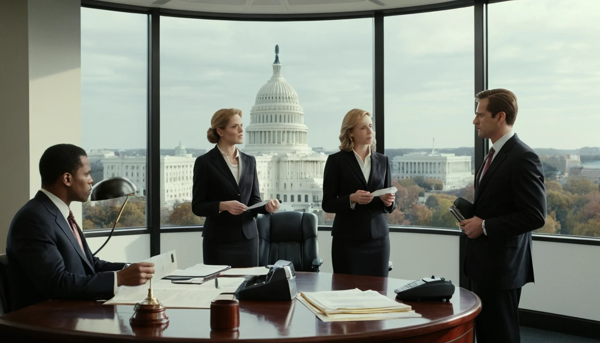
White-Collar Lawyers in DC handle high-stakes cases, federal investigations, and corporate crimes. Learn how they protect your rights and ensure compliance.
Washington, D.C., serves as the epicenter of American political and regulatory power, making it a critical hub for white-collar legal practice. White-collar lawyers in DC navigate complex federal regulations, represent clients in high-stakes investigations, and handle sophisticated financial crimes that often have national implications. Understanding their role provides insight into how the legal system addresses corporate misconduct and regulatory violations in today’s business environment.
What Are White-Collar Crimes?
White-collar crimes refer to financially motivated, non-violent offenses typically committed by business professionals, government officials, or other individuals in positions of trust. Unlike street crimes, these offenses often involve deception, breach of trust, or abuse of authority rather than physical force. Common examples include securities fraud, embezzlement, money laundering, tax evasion, and bribery.
The term “white-collar” originates from the traditional business attire worn by office workers, distinguishing these crimes from blue-collar offenses. These cases frequently involve complex financial transactions, sophisticated schemes, and substantial monetary losses that can affect entire industries or markets.
The Unique Landscape of DC’s Legal Environment
Washington, D.C., presents a distinctive environment for white-collar legal practice due to several key factors that set it apart from other major legal markets.
Federal Agency Presence
The capital houses numerous federal agencies with enforcement capabilities, including the Securities and Exchange Commission (SEC), the Department of Justice (DOJ), the Federal Trade Commission (FTC), and the Consumer Financial Protection Bureau (CFPB). This concentration of regulatory bodies creates a constant stream of investigations, enforcement actions, and compliance matters that require specialized legal expertise.
Political and Regulatory Intersection
The proximity to Congress, federal courts, and regulatory agencies means that white-collar lawyers in DC often handle cases with significant political implications. Legislative changes, regulatory updates, and policy shifts directly impact their practice areas, requiring attorneys to stay current with evolving legal landscapes.
High-Profile Cases
The nation’s capital frequently sees cases involving public officials, major corporations, and matters of national interest. These high-visibility situations demand attorneys with exceptional skills in crisis management, media relations, and strategic defense planning.
Core Responsibilities of White-Collar Defense Attorneys
White-collar lawyers in DC perform diverse functions that extend far beyond traditional courtroom advocacy.
Investigation Response
When federal agencies launch investigations, these attorneys guide clients through complex procedures, protect constitutional rights, and manage communications with investigators. They review document requests, prepare clients for interviews, and develop strategies to minimize exposure while ensuring compliance with legal obligations.
Regulatory Compliance
Many white-collar attorneys focus on preventing legal issues before they arise. They help businesses understand and comply with federal regulations, develop internal compliance programs, and conduct risk assessments to identify potential vulnerabilities.
Criminal Defense
When cases proceed to criminal charges, these lawyers provide vigorous defense representation. They analyze evidence, challenge prosecutorial theories, negotiate plea agreements when appropriate, and represent clients at trial. Their deep understanding of federal criminal procedure and sentencing guidelines proves crucial in achieving favorable outcomes.
Civil Enforcement Actions
Beyond criminal matters, white-collar lawyers handle civil enforcement actions brought by regulatory agencies. These cases may involve monetary penalties, injunctive relief, or other sanctions that can significantly impact businesses and individuals.
Specialized Knowledge and Skills
Effective white-collar practice in Washington requires a unique combination of legal expertise and practical skills.
Federal Law Mastery
These attorneys must understand complex federal statutes, regulations, and case law across multiple practice areas. Financial regulations, securities law, healthcare compliance, and government contracting rules frequently intersect in white-collar cases.
Investigative Techniques
Modern white-collar defense requires sophisticated investigative capabilities. Attorneys work with forensic accountants, digital evidence experts, and other specialists to analyze complex financial records and reconstruct transaction patterns.
Government Relations
Understanding how federal agencies operate, their enforcement priorities, and their decision-making processes provides significant advantages in representing clients effectively. Many successful white-collar lawyers have prior experience working within government agencies.
The Investigation Process
White-collar investigations typically follow predictable patterns that experienced attorneys can navigate strategically.
Initial Inquiry Phase
Investigations often begin with informal inquiries, subpoenas for documents, or voluntary information requests. Early intervention by qualified counsel can significantly influence the investigation’s direction and scope.
Formal Investigation
As cases develop, agencies may issue formal orders, conduct interviews, or seek court-authorized search warrants. Defense attorneys work to protect client interests while maintaining cooperative relationships with investigators when beneficial.
Resolution Options
Cases may resolve through various mechanisms, including declination letters, deferred prosecution agreements, plea bargains, or civil settlements. Experienced attorneys help clients evaluate these options and negotiate favorable terms when possible.
Current Trends and Challenges
The white-collar legal landscape continues evolving in response to technological advances, regulatory changes, and shifting enforcement priorities.
Cybersecurity and data privacy violations increasingly dominate enforcement agendas. Cryptocurrency-related offenses present new challenges requiring specialized technical knowledge. Environmental, social, and governance (ESG) compliance has gained prominence as regulatory focus areas.
Additionally, remote work arrangements and digital communication have complicated traditional investigation techniques, requiring attorneys to adapt their strategies for the modern business environment.
Key Insights
White-collar lawyers in DC operate within a complex ecosystem where federal law, regulatory enforcement, and political considerations intersect. Their expertise extends beyond traditional legal representation to include strategic counseling, crisis management, and compliance guidance. The concentration of federal agencies and high-profile cases in Washington creates unique opportunities and challenges that require specialized knowledge and skills.
Understanding the role these attorneys play helps illuminate how the legal system addresses sophisticated financial crimes and regulatory violations. As business practices continue evolving and new enforcement priorities emerge, white-collar lawyers remain essential guardians of legal compliance and constitutional rights in the nation’s capital.
FAQs
1. What do white-collar lawyers in DC specialize in?
They deal with non-violent financial crimes like fraud and bribery. They also give advice on following the law. Many work on big, sensitive cases.
2. How do DC white-collar lawyers help in investigations?
They guide clients through federal probes and handle document requests. They protect their clients’ rights while working with investigators. Getting involved early can stop charges.
3. Why is Washington, D.C. important for white-collar cases?
DC is home to key federal agencies like the DOJ and SEC. Lawyers here work on big cases and follow national laws. It’s a center for serious legal work.
4. Do white-collar lawyers only defend criminal charges?
No, they also work on civil cases and help with following the law. They help businesses stay out of trouble. They do audits, reviews, and training.
5. What skills do DC white-collar attorneys need?
They need to know a lot about federal laws and how investigations work. They must be good at analyzing, negotiating, and managing crises. Having government experience helps a lot.