Introduction
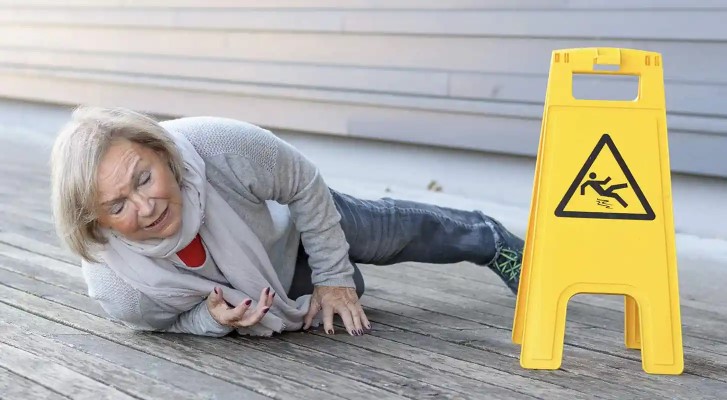
Slip and fall accidents can happen anywhere, from a wet floor in a grocery store to a poorly maintained sidewalk. These incidents can lead to various injuries, with sprains being one of the most common. Understanding the severity of these accidents and the potential consequences is crucial for prevention and proper treatment.
Define the Issue
A slip and fall accident occur when someone loses their footing and falls due to a variety of reasons, such as slippery surfaces, uneven flooring, or obstacles in the way. Sprains, which are injuries to ligaments caused by overstretching, are a frequent outcome of such accidents.
Importance of Awareness
While slip and fall accidents may seem minor, they can result in significant pain and inconvenience. By raising awareness about the potential consequences, individuals can take steps to prevent such accidents and minimize their impact.
Types and Categories
Slip and fall accidents can occur in various settings and lead to different types of injuries. Understanding these categories is essential for effective prevention and treatment.
Indoor Accidents
These accidents occur within buildings and structures, often due to wet floors, loose carpets, or cluttered walkways.
Outdoor Accidents
Outdoor slip and fall accidents can happen on sidewalks, parking lots, or other outdoor surfaces, usually due to weather conditions or poor maintenance.
Workplace Incidents
Work-related slip and fall accidents are common in industries such as construction, healthcare, and manufacturing, where hazardous conditions are prevalent.
Symptoms and Signs
Identifying the symptoms of a sprain after a slip and fall accident is crucial for prompt medical attention and proper treatment.
Pain and Swelling
Sprains typically cause pain, swelling, and tenderness around the injured area, making movement difficult.
Bruising
In some cases, bruising may develop around the affected joint or muscle due to internal bleeding.
Limited Mobility
Severe sprains can restrict movement and function, affecting daily activities and quality of life.
Causes and Risk Factors
Understanding the factors that contribute to slip and fall accidents can help individuals and organizations take preventive measures to reduce the risk.
Environmental Hazards
Wet or slippery surfaces, uneven flooring, and poor lighting are common environmental factors that increase the likelihood of accidents.
Footwear
Wearing inappropriate footwear, such as shoes with worn-out soles or high heels, can contribute to instability and increase the risk of falls.
Age and Mobility Issues
Older adults and individuals with mobility issues are more susceptible to slip and fall accidents due to decreased balance and coordination.
Diagnosis and Tests
When a slip and fall accident occurs, a proper diagnosis is essential to determine the extent of the injury and the appropriate course of action.
Physical Examination
A healthcare professional will perform a physical examination to assess the injured area, checking for swelling, tenderness, and range of motion.
Imaging Tests
In some cases, imaging tests such as X-rays or MRI scans may be ordered to rule out fractures or assess the severity of soft tissue injuries.
Treatment Options
The treatment for a sprain resulting from a slip and fall accident depends on the severity of the injury and may involve a combination of medical interventions and self-care measures.
R.I.C.E Protocol
Rest, ice, compression, and elevation (R.I.C.E) are often recommended in the initial stages to reduce pain and swelling.
Pain Management
Over-the-counter pain relievers and anti-inflammatory medications may be prescribed to alleviate discomfort and inflammation.
Physical Therapy
Physical therapy exercises and rehabilitation programs can help improve strength, flexibility, and mobility after a sprain.
Preventive Measures
Preventing slip and fall accidents requires a proactive approach that addresses potential hazards and promotes safety awareness.
Hazard Identification
Regular inspections and maintenance can help identify and address environmental hazards such as slippery surfaces or uneven flooring.
Safety Equipment
Providing appropriate safety equipment, such as non-slip mats or handrails, can help reduce the risk of accidents in workplaces and public spaces.
Education and Training
Educating individuals about proper footwear, safe walking techniques, and fall prevention strategies can empower them to avoid accidents.
Personal Stories or Case Studies
Real-life experiences highlight the impact of slip and fall accidents and underscore the importance of prevention and timely treatment.
Sarah’s Story: A Slippery Slope
Sarah, a busy working mom, experienced a slip and fall accident at a supermarket due to a wet floor. The resulting ankle sprain left her unable to work for weeks, highlighting the financial and emotional toll of such incidents.
John’s Journey to Recovery
John, an avid hiker, suffered a severe ankle sprain during a trek due to uneven terrain. Through diligent physical therapy and rehabilitation, he regained mobility and returned to his passion for outdoor activities.
Expert Insights
Medical professionals provide valuable insights into the diagnosis, treatment, and prevention of slip and fall accidents and sprains.
Dr. Patel’s Perspective
“As a physician specializing in sports medicine, I’ve seen firsthand the impact of slip and fall accidents on individuals of all ages. Prevention is key, but timely intervention and proper treatment are equally important for optimal recovery.”
Conclusion
Slip and fall accidents may seem trivial, but the consequences can be significant, especially when sprains are involved. By raising awareness, implementing preventive measures, and seeking prompt treatment, individuals can minimize the risk and impact of these accidents on their health and well-being.